




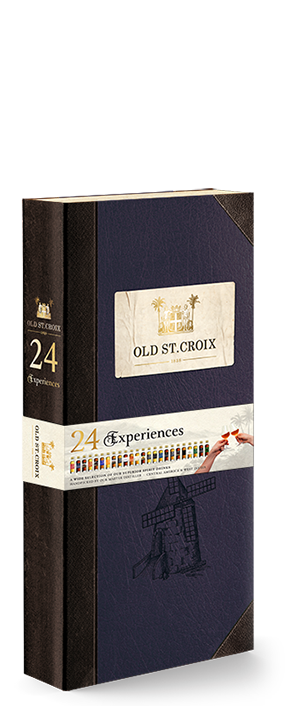
Invitez vos sens à un voyage avec Old St. Croix – 24 Expériences. Un coffret de dégustation exclusif qui vous transporte vers les îles des Caraïbes.
Lire la suite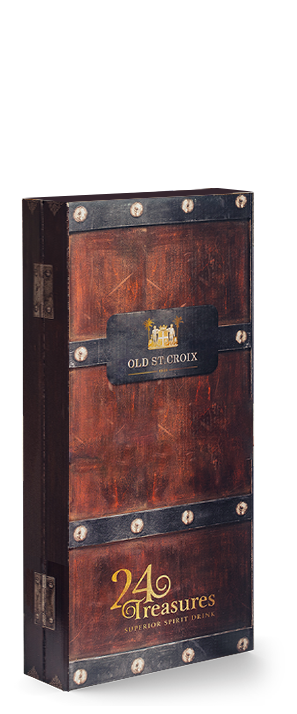
Invitez vos sens à un voyage riche en saveurs avec Old St. Croix – 24 Treasures.
Lire la suite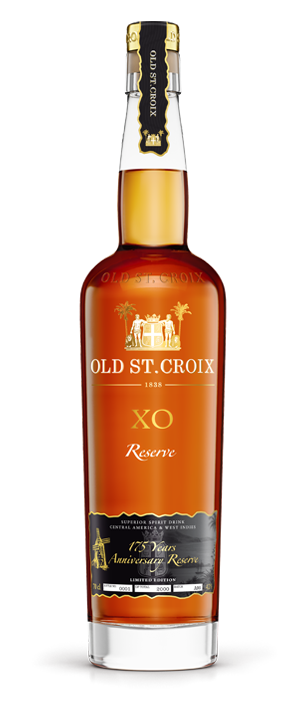
En 2013, cela faisait exactement 175 ans que le pharmacien danois Albert Heinrich Riise avait ouvert les portes de sa pharmacie à Saint-Thomas, dans les Antilles danoises.
Lire la suite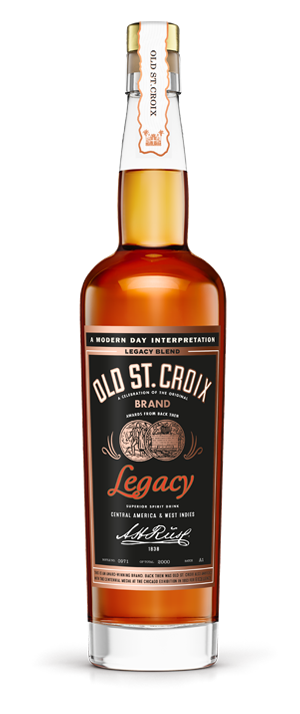
Il y a 150 ans, le pharmacien et aventurier danois Albert Heinrich Riise fit découvrir au monde entier une liqueur originaire des Antilles sous le nom d’Old St. Croix, en hommage à la luxuriante île caribéenne de Sainte-Croix, réputée pour sa production de canne à sucre.
Lire la suite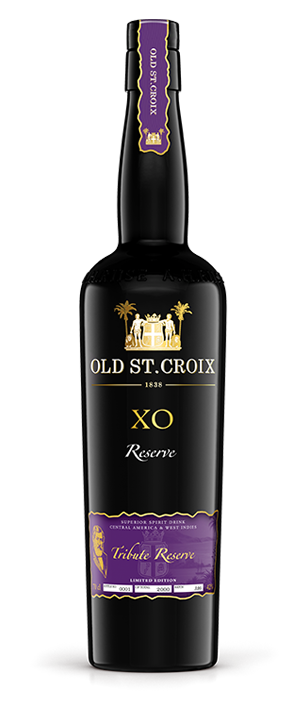
Cet assemblage rend hommage à Albert Heinrich Riise (1810–1882), pharmacien, aventurier et artisan danois qui transforma les richesses des Antilles en spiritueux raffinés.
Lire la suite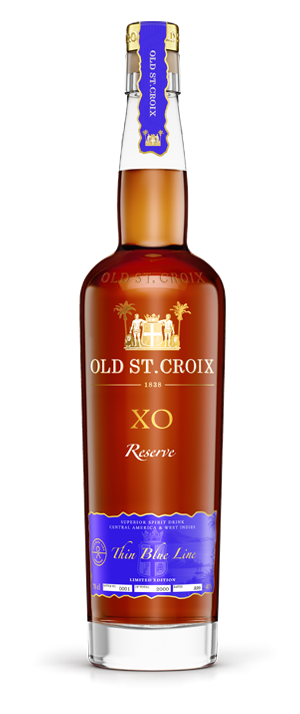
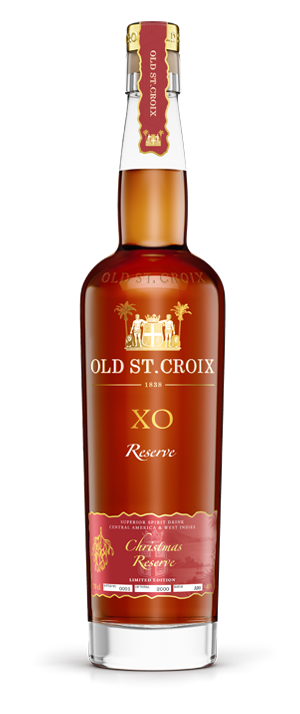
Dans les anciennes Antilles danoises, Noël était célébré comme dans les pays nordiques, avec des cantiques, l’évangile de Noël et des danses autour du sapin, même si celui-ci devait être transporté par bateau à travers l’Atlantique.
Lire la suite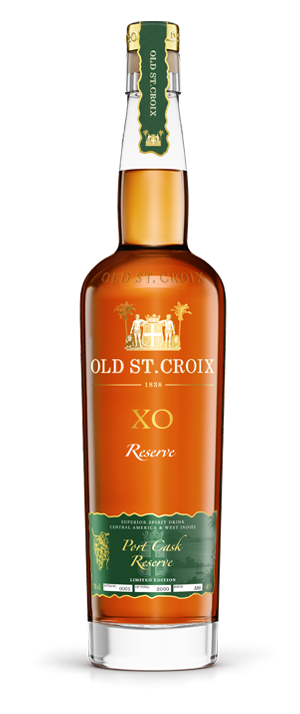
Vous aimez les saveurs profondes et complexes avec une touche d’élégance fruitée ? Alors Old St. Croix XO Reserve - Port Cask est un choix évident.
Lire la suite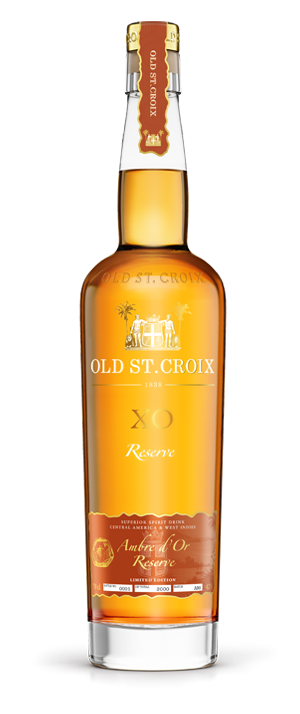
Ambre d’Or fait référence à la couleur dorée et à la qualité luxueuse de cet assemblage exclusif.
Lire la suite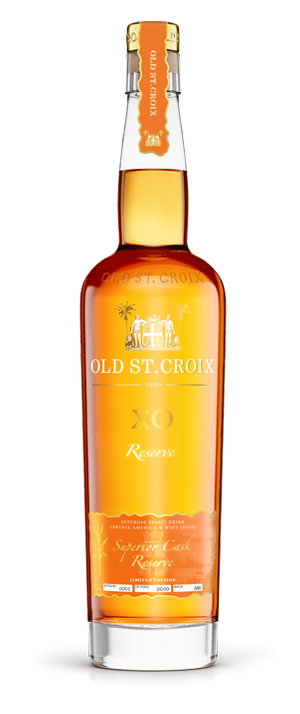
En matière de grands assemblages, le choix des fûts est déterminant. Chaque fût de chêne apporte son caractère propre tout en conservant les notes des vins qu’il a précédemment contenus, souvent du porto ou du sherry.
Lire la suite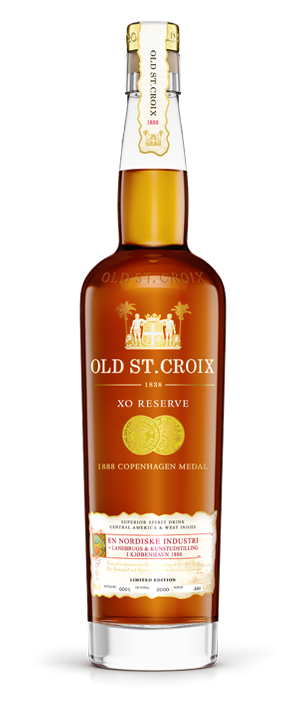
Old St. Croix XO Reserve – 1888 Copenhagen Medal est un hommage moderne au blend qui a remporté une médaille lors de la Grande Exposition nordique de Copenhague en 1888. Un moment de fierté pour la famille derrière les pharmacies Albert Heinrich Riise.
Lire la suite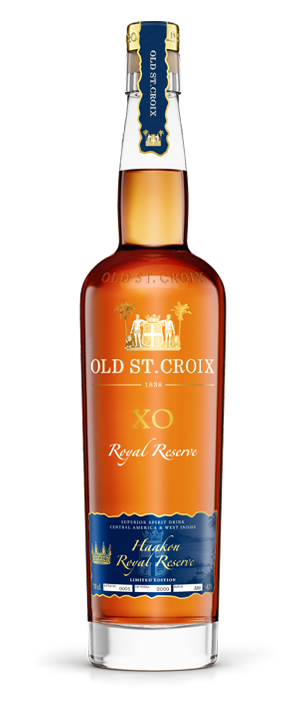
À la fin du XIXe siècle, une amitié particulière s’est nouée entre deux jeunes hommes dans les Antilles danoises : le futur roi Haakon VII de Norvège et Valdemar Riise, fils du pharmacien Albert Heinrich Riise.
Lire la suite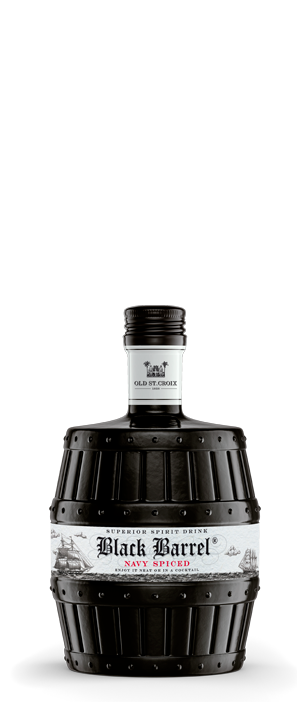
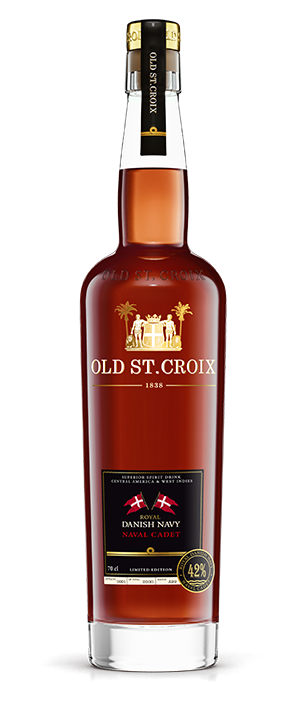
Old St. Croix Royal Danish Navy - Naval Cadet est le fruit d’une collaboration avec l’Association des cadets de l’École des officiers de marine danoise, la plus ancienne école navale au monde, fondée en 1701.
Lire la suite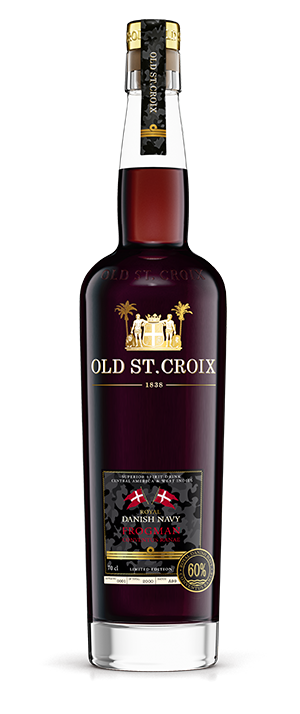
Old St. Croix Royal Danish Navy – Frogman a été créé en hommage au Corps des nageurs de combat, une unité dont la force et le courage constituent le fondement de la sécurité que nous autres considérons comme acquise.
Lire la suite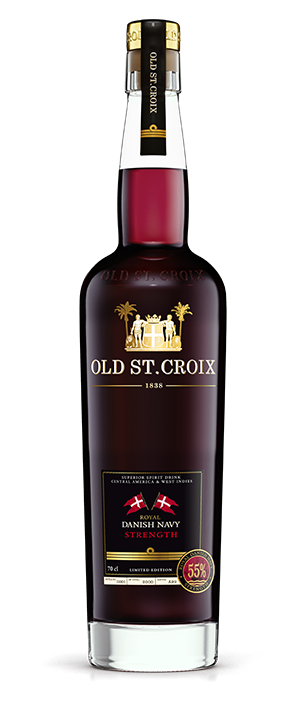
Tout au long de l’histoire, l’alcool et les marins ont été étroitement liés, tout comme la fraude et la dilution. Pour s’assurer de la qualité d’un alcool, les marins ont inventé un test simple : ils renversaient de l’alcool sur de la poudre avant d’y mettre le feu.
Lire la suite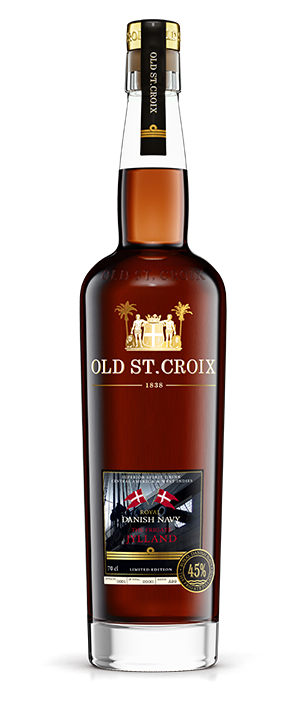
En dégustant l’assemblage Fregatten Jylland, vous contribuez à préserver un pan de l’histoire maritime danoise dont nous sommes fiers : la frégate Jylland.
Lire la suite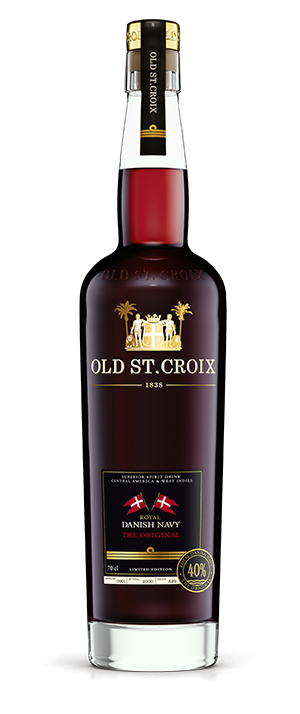
Lorsque Albert Heinrich Riise établit sa production dans les Antilles danoises en 1838, la marine danoise fut l’un de ses premiers clients réguliers.
Lire la suite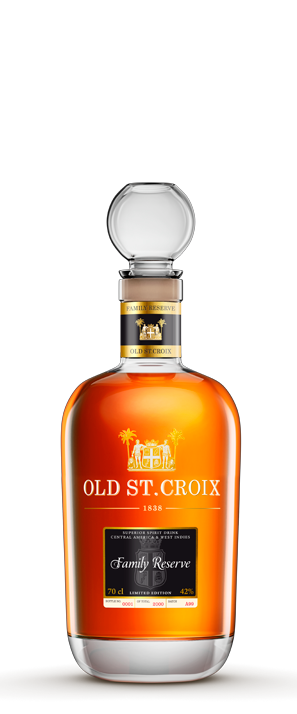
Old St. Croix Family Reserve a été créé en 2015 à l’occasion d’une grande réunion de la famille Riise, un événement privé qui a lieu tous les cinq ans.
Lire la suite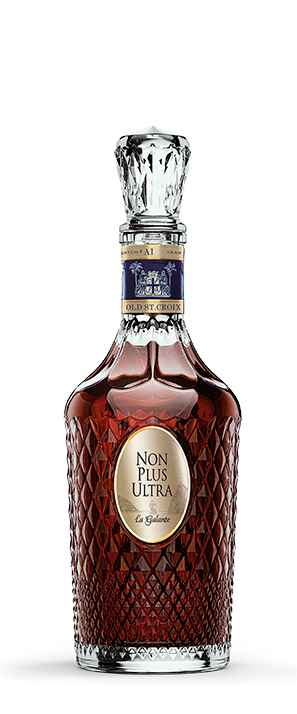
Old St. Croix Non Plus Ultra – La Galante tire son nom du navire de Christophe Colomb, le Santa Maria La Galante, qui l’a conduit à Sainte-Croix et aux Antilles.
Lire la suite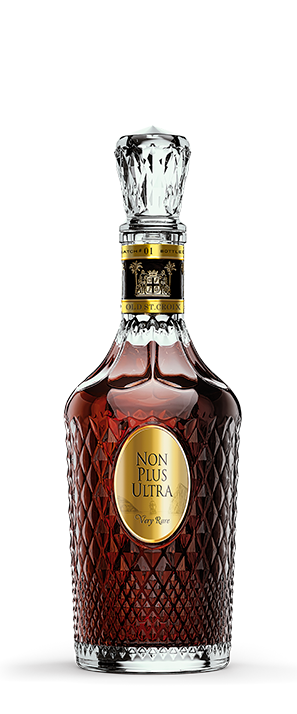
Old St. Croix Non Plus Ultra - Very Rare n’est produit que lorsque notre maître distillateur sélectionne des fûts d’une qualité tout à fait exceptionnelle provenant des meilleures distilleries des Caraïbes et d’Amérique centrale.
Lire la suite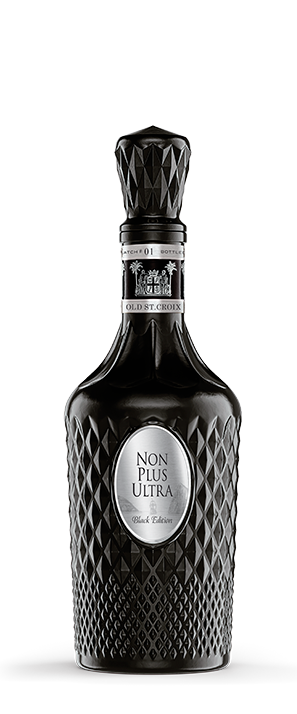
Old St Croix Non Plus Ultra – Black Edition est l’expression la plus intense de cette gamme. Cet assemblage composé de fûts sélectionnés dans des distilleries réputées des Caraïbes et d’Amérique centrale a été vieilli dans des fûts de bourbon fortement carbonisés.
Lire la suite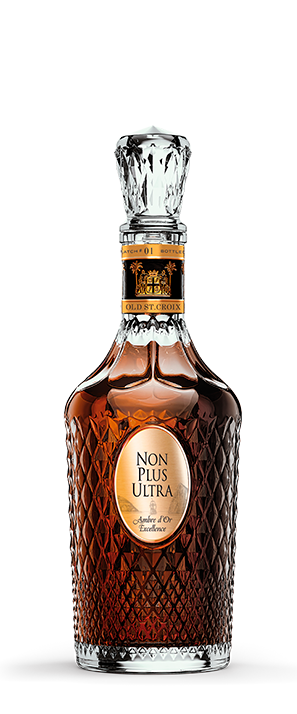
Old St. Croix Non Plus Ultra – Ambre d’Or Excellence est le produit le plus élégant de la gamme. Il tire son nom de sa couleur ambrée et s’inspire de la tradition française des vins de dessert sucrés.
Lire la suite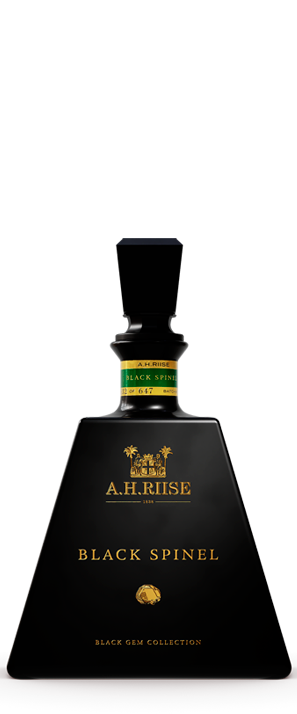
The 3rd blend in the Black Gem Collection, inspired by the rare black gemstones that hide deep beneath the soil and waters of the West Indies.
Lire la suite
The 2nd blend in the Black Gem Collection, inspired by the rare black gemstones that hide deep beneath the soil and waters of the West Indies.
Lire la suite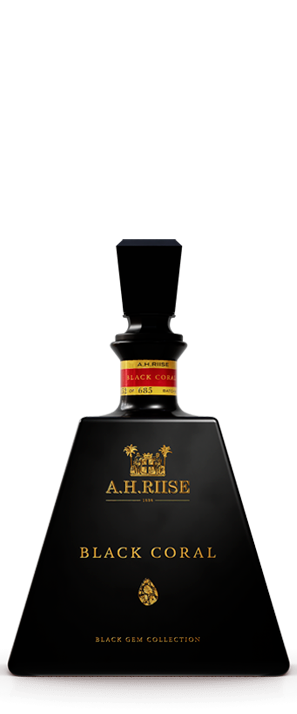
The 1st blend in the Black Gem Collection, inspired by the rare black gemstones that hide deep beneath the soil and waters of the West Indies.
Lire la suite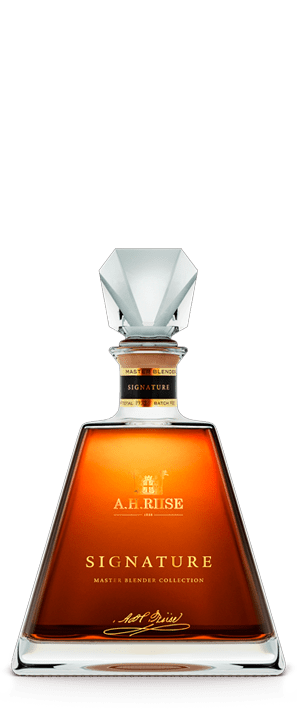

Signature is created as a tribute to the man behind our brand—the visionary pharmacist Albert Heinrich Riise (1810–1882), who journeyed to the Caribbean driven by a spirit of discovery.
Lire la suite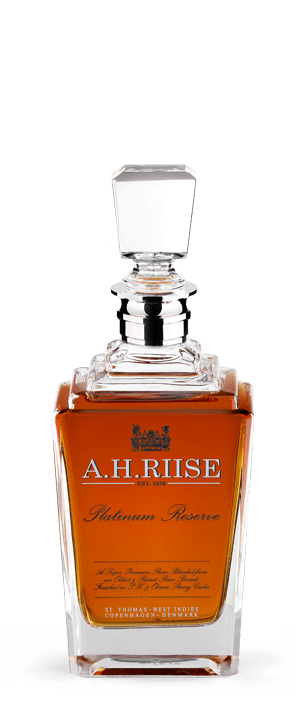

A.H. Riise Platinum is created from small batch of unique rum. The heart of the blend is two Solera aged rums from aged casks.
Lire la suite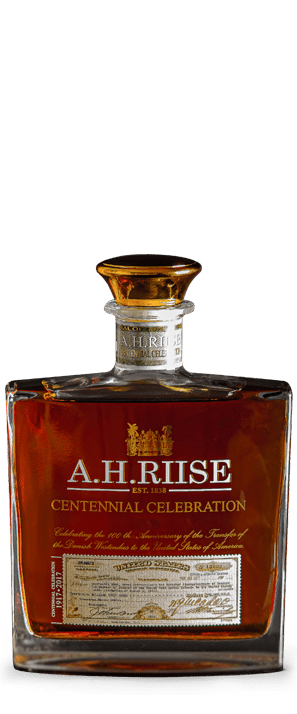
A tribute blend not only to A.H. Riise, but also to the indigenous population of the islands as well as the Danish colonists.
Lire la suite
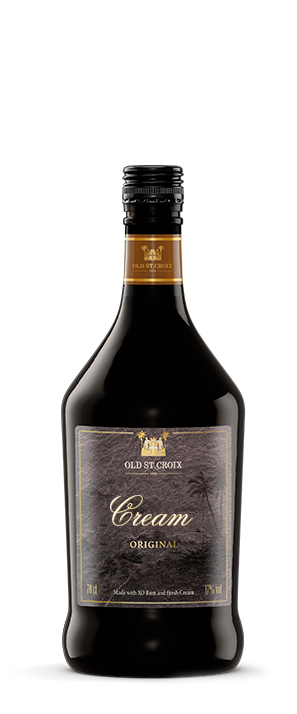
Le rhum ne doit pas nécessairement être puissant et intense. Il peut aussi être doux, crémeux et irrésistiblement délicieux, comme un dessert que l’on préfère garder pour soi.
Lire la suite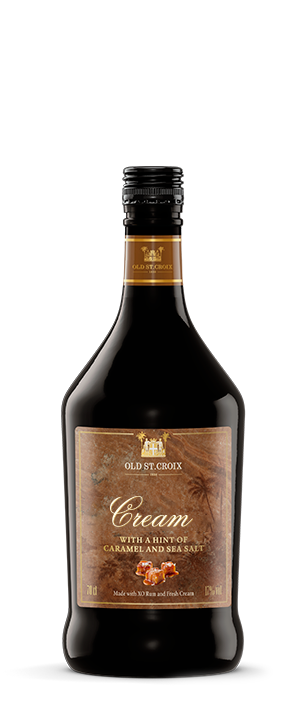
Une crème de rhum luxueuse au goût rond et sucré de rhum XO, de caramel et de sel marin.
Lire la suite